
When is the time to approach “Driving Retirement”?
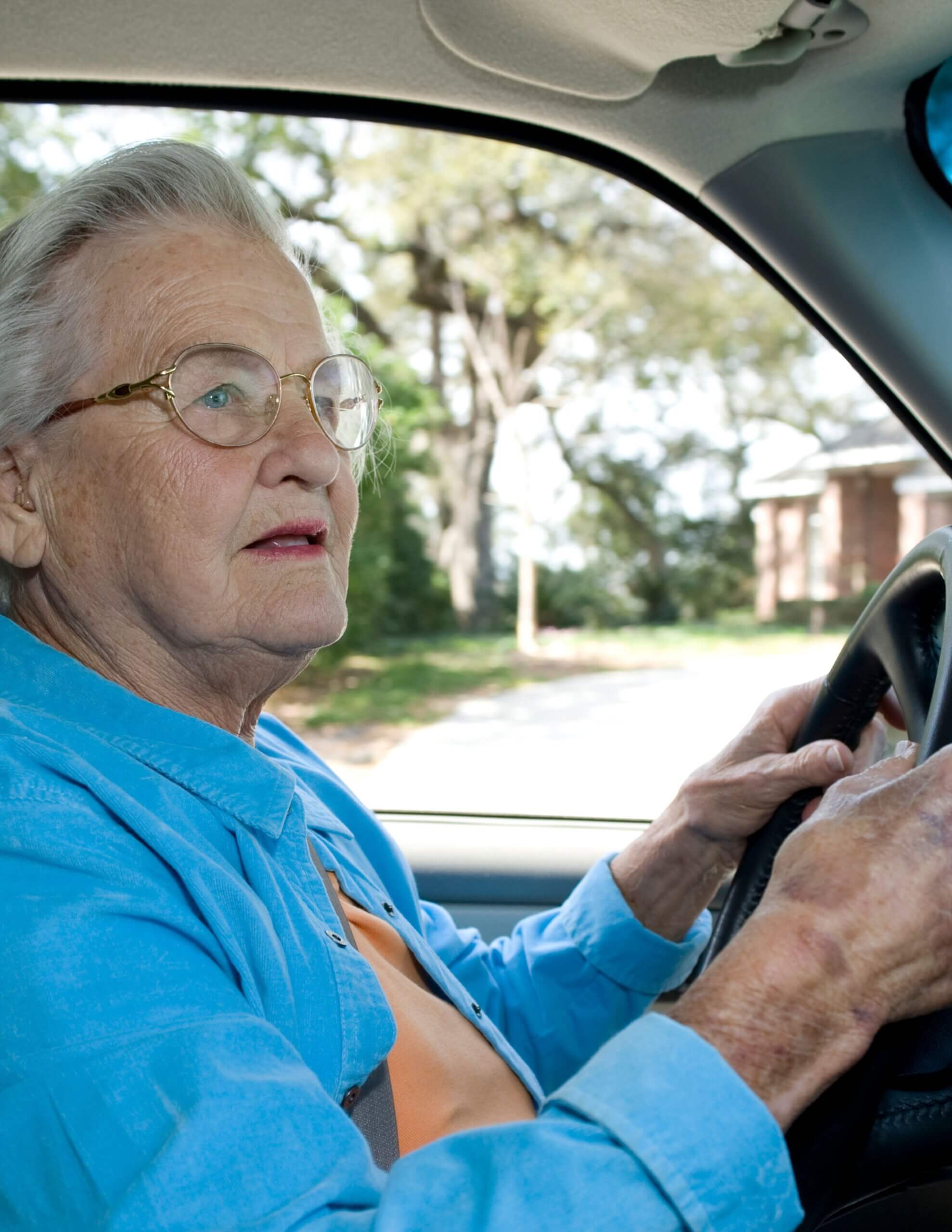
Each year, the first week in December has been dedicated as “Older Driver Safety Awareness Week” by the American Occupational Therapy Association. This is a time to reflect on driver safety as we age. This begs the question, how do you know when it’s time for your loved one to limit or stop driving?
“Driving is a critical occupation that allows seniors to be independent. We need to carefully approach driver safety and explore options to help maintain independence when driving retirement is needed.”
It’s a tough subject for most families, but it’s a serious matter. As difficult as some conversations may be, everyone benefits from starting these conversations earlier, before a crisis. Statistics indicate that most older drivers are safe drivers, however, medical conditions, medication side effects, and physical changes that occur with aging can all increase the risk of accidents and injuries with the older population.
It is important to recognize signs that may indicate that it is time for your loved one to stop driving and explore alternatives. Those signs include:
- Medication: does your loved one demonstrate side effects such as weakness, dizziness, unsteady gait, fatigue, blood pressure changes?
- Difficulty with rotational movement: does your loved one rely completely on mirrors to see their surroundings, have difficulty reaching a seatbelt across their body and buckling it in, or tends to be stiff or lack range of motion?
- Memory concerns: does your loved one forget what day it is, forget where they left their car keys, drive without a destination?
- Vision changes: age-related vision changes can decrease visual field, depth perception, acuity and more. Does your loved one get regular eye checks?
- Vehicle damage: does your loved one’s car show increased dings, dents, and scratches? Has your loved one been in a minor fender bender?
When you notice these signs, it is time to begin having these tough conversations. Consider who your loved one will listen to best. Be certain to approach the topic as a concern for safety rather than accusations. Be supportive, have other options in mind to support your loved one’s transportation needs. Can family and friend drive them after dark? Is there a senior center that can provide needed transportation during the day? Be ready to discuss options to help your loved one stay independent while allowing them to transition into driving retirement.
Occupational therapy practitioners have special skills for considering all these factors. They can assess your loved ones’ strength and risk factors and offer patients and families materials on older driver safety, support when having difficult conversations, and a lens through with to consider the opportunities and risks facing older adults holistically as they provide information tailored to the individual.
Julie Whitbeck-Lewinski is a licensed Occupational Therapist and Owner of CarePatrol of Buffalo/Niagara/Rochester/Syracuse. To learn more about older driver safety or to discuss opportunities for a driver safety screening or CarFit 1:1 appointment, reach Julie at (716) 463-2955 or jlewinski@carepatrol.com