
COMPANION, PERSONAL CARE, AND PRIVATE DUTY NURSING. OH MY!
s the population of older adults in the U.S. continues to grow, homecare services have become an integral part of aging in place and ensuring quality of life. According to the AARP, over 77% of adults aged 50 and older want to remain in their homes as they age. However, the challenges of maintaining independence, managing health, and preventing caregiver burnout mean that many families are seeking professional in-home care services.
Want to understand the differences between companion care, personal care, and private duty nursing? How these services not only support older adults but also alleviate the caregiving burden for families?
THE RISE OF HOMECARE IN THE U.S.
As of 2023, nearly 34 million Americans serve as unpaid caregivers for an adult aged 50 or older. This often places a significant strain on family caregivers, with 23% reporting their own health has worsened as a result of caregiving responsibilities, according to the National Alliance for Caregiving. Burnout is a real and pressing issue—family caregivers often struggle to balance their careers, families, and personal health with the demands of caregiving.
Homecare services are an increasingly popular solution. In 2021, the U.S. home healthcare market was valued at approximately $96 billion and is projected to grow significantly over the next decade, reflecting the growing demand for professional in-home support.
Companion Care: Fighting Loneliness and Isolation
The Challenge: Social isolation affects one in four older adults in the U.S., increasing their risk of depression, cognitive decline, and even mortality. The physical toll of loneliness is so profound that it has been likened to smoking 15 cigarettes a day.
How It Helps: Companion care addresses these challenges by providing emotional support and engagement. Caregivers assist with non-medical activities such as medication reminders, transportation to stores and doctor appointments, meal preparation, errands, and social outings. Beyond the practical help, they become a friendly face and a trusted companion.
- Example: A senior with mobility challenges might rely on a companion caregiver to accompany them to social clubs or events, helping them maintain a sense of normalcy and connection.
Impact on Caregivers: Family members are often relieved knowing their loved ones are supported emotionally, freeing them from the guilt of being unable to be there 24/7. This type of care can be more cost-effective, making it accessible to a wider range of families.
Personal Care: Maintaining Dignity and Independence
The Challenge: As aging adults face physical or cognitive challenges, basic tasks such as bathing, dressing, or toileting can become daunting. Without proper assistance, their health and dignity may suffer.
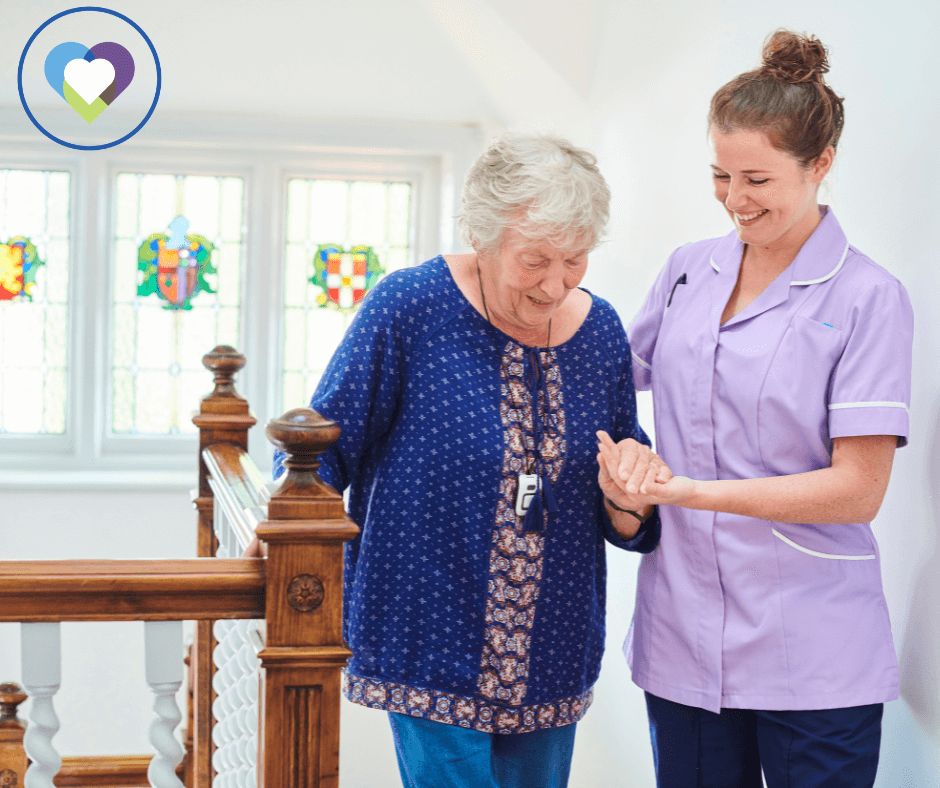
How It Helps: Personal care aides offer hands-on support for activities of daily living (ADLs). They ensure hygiene, nutrition, and safety, which are critical for preventing falls and maintaining quality of life. This is often times provided by Personal Care Aides or Home Health Aides. They are able to provide more physical assistance for moving throughout the environment.
- Falls are the leading cause of fatal and non-fatal injuries for adults aged 65 and older. Personal care services that assist with mobility significantly reduce this risk.
Impact on Caregivers: For family caregivers, the hands-on nature of personal care is often the most overwhelming. By hiring a professional, families can focus on providing emotional support without the physical demands, reducing stress and preventing burnout.
Private duty nursing: medical expertise at home
The Challenge: Managing chronic illnesses, post-surgery recovery, or end-of-life care at times requires medical expertise that many families cannot provide.
How It Helps: Private duty nurses are licensed professionals who deliver advanced care, including administering medications, managing IVs, and monitoring chronic conditions.
- Example: A senior recovering from surgery may require wound care and pain management. A private duty nurse ensures these needs are met in the comfort of their home.
- Studies show that home-based healthcare reduces hospital readmissions by nearly 25% and improves overall patient outcomes, highlighting the importance of professional medical care at home.
Impact on Caregivers: Families no longer have to shoulder the responsibility of learning complex medical tasks. Private duty nursing provides peace of mind, knowing their loved one is receiving expert care.
HOMECARE: A SOLUTION TO CAREGIVER BURNOUT
Caregiving can be a rewarding experience, but it comes with undeniable challenges. According to the Family Caregiver Alliance, 63% of caregivers report high levels of stress, and 40% feel they have no choice but to provide care. Burnout often leads to physical and emotional exhaustion, which can affect both the caregiver and the person receiving care.
How Homecare Helps:
- Shared Responsibility: Professional caregivers take on key tasks, allowing family members to focus on their well-being.
- Improved Outcomes: With professional support, older adults receive consistent, high-quality care, reducing emergency situations that caregivers often must handle.
- Time for Self-Care: Families regain the time needed to rest, pursue hobbies, or maintain social connections, which are essential for mental health.
THE ROLE OF HOMECARE IN TRANSITIONING TO FACILITIES
In addition to supporting older adults at home, homecare services play a crucial role when transitioning to care facilities. Whether moving into assisted living or a nursing home, the change can be emotionally and physically taxing. Homecare providers ease this process by:
- Assisting with packing, organization, and physical preparation.
- Providing emotional support during a period of uncertainty.
- Helping older adults adjust to new routines and environments.
The result— a smoother transition that minimizes stress for both the older adult and their family.
CHOOSING THE RIGHT HOMECARE
Selecting the right care depends on individual needs and circumstances. Companion care may suffice for those who are socially isolated but independent, while personal care is better suited for individuals who need help with ADLs and more physical assistance. For those with medical needs, private duty nursing is indispensable.
By investing in the right type of homecare, families can ensure their loved ones age with dignity, safety, and comfort—whether at home or in a facility.
Need support to find the right care option? CarePatrol is your trusted partner.
References
AARP. (2021). The desire to age in place among older adults. Retrieved from www.aarp.org
Family Caregiver Alliance. (2021). Caregiver statistics: Demographics. Retrieved from www.caregiver.org
National Alliance for Caregiving. (2020). Caregiving in the U.S. Retrieved from www.caregiving.org
U.S. Centers for Disease Control and Prevention (CDC). (2021). Older adult fall prevention. Retrieved from www.cdc.gov
Home Care Association of America. (2022). State of home care: Industry insights 2022. Retrieved from www.hcaoa.org
Zayas-Cabán, T., & Tejada-Vera, B. (2020). The role of home health care in reducing hospital readmissions. National Health Statistics Reports, 136, 1–9.