
Meeting the Challenges of Dementia Care with a Positive Approach®
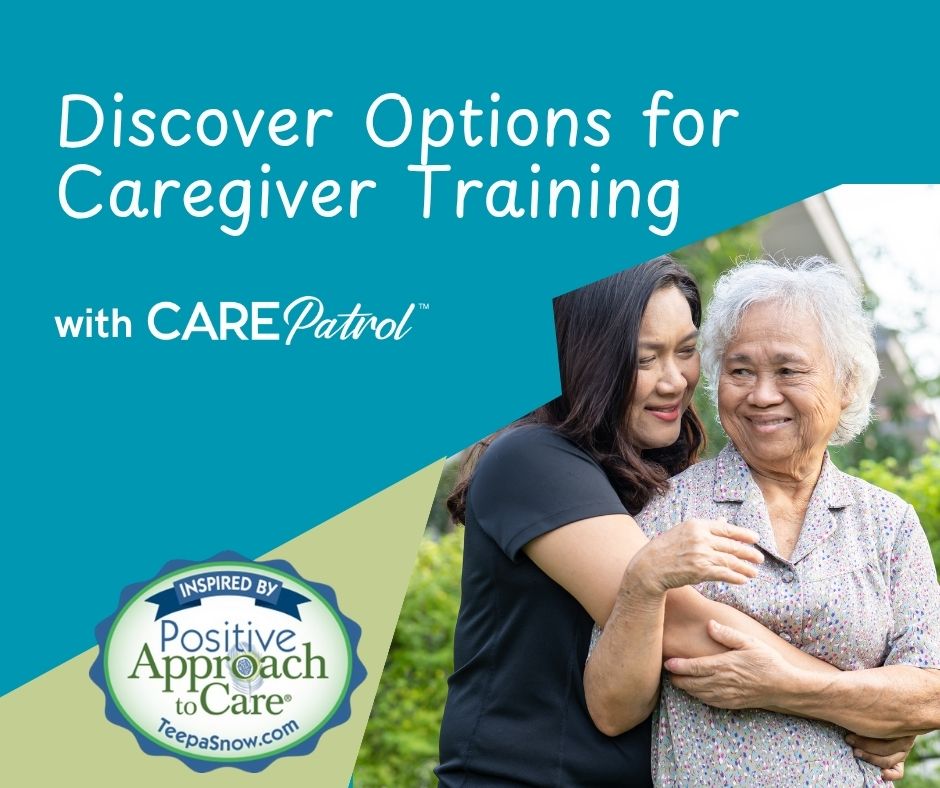
Caring for someone with dementia requires more than patience—it requires perspective, creativity, and connection.
For both professional and family caregivers, dementia can bring a unique set of challenges that go far beyond memory loss. As the disease progresses, supporting functional activities of daily living (ADLs)—like bathing, dressing, eating, and using the restroom—can become increasingly difficult. It’s not just about physical care. It’s about navigating confusion, fear, communication breakdowns, and behavioral changes that often come with the territory.
At CarePatrol of Syracuse, we work closely with families and care professionals who are doing their very best every day to provide safe, compassionate support for older adults living with dementia. But even the most experienced caregivers can feel lost or overwhelmed when a person with dementia suddenly resists care, becomes agitated, or withdraws emotionally. That’s why education, training, and connection are so vital.
Understanding Dementia through a New Lens
One of the most impactful approaches to dementia care we’ve seen comes from internationally recognized dementia educator Teepa Snow and her Positive Approach® to Care (PAC). Rather than focusing on what someone can’t do anymore, PAC helps caregivers meet individuals where they are—emotionally, cognitively, and physically—and work with the abilities they still have.
This method encourages caregivers to shift from correction to connection. For example, if someone insists they need to “go home” when they’re already there, instead of explaining reality, PAC teaches how to redirect with empathy. Asking, “Tell me about home—what’s your favorite room?” might bring comfort and allow the conversation to shift gently, rather than escalating confusion or distress.
Supporting Activities of Daily Living with Compassion
As dementia progresses, even simple tasks can feel overwhelming or threatening for the person living with the disease. Dressing may become confusing due to visual-perceptual changes. Bathing may feel cold, vulnerable, or frightening. Eating might become difficult due to coordination issues or forgotten steps in the process.
A Positive Approach to Care helps caregivers break tasks down into manageable steps, offer cues in a supportive manner, and approach care in a way that feels more like a partnership than a procedure. When we stop seeing care as something we do to someone, and instead as something we do with them, we build trust—and often reduce resistance.
Caregiver Support and Training: You Don’t Have to Do This Alone
Whether you’re a family member suddenly thrust into the role of caregiver or a seasoned professional in a senior living community or home care setting, dementia care can feel isolating. But you’re not alone. There are resources, communities, and training opportunities available right here in Syracuse and across Central New York to help you grow in confidence and connection.
Caregiver education, especially with hands-on tools like Teepa Snow’s PAC, can make a world of difference—not only for the person receiving care but also for your own well-being. Learning how to respond, redirect, and remain calm can reduce caregiver burnout and increase moments of joy, even in the toughest times.
Join Us: Heart of Senior Living Series
Meet the Challenge of Dementia with a Positive Approach to Care
📅 Tuesday, June 25th, 2025
🕒 5:30–7:00 PM
📍 Brookdale Fayetteville, 5125 Highbridge Street, Fayetteville, NY
🎟️ FREE workshop with certificate of completion
👥 Open to family caregivers, professional caregivers, and senior care professionals
This engaging workshop, part of our Heart of Senior Living Series, introduces participants to Teepa Snow’s Positive Approach to Care and offers practical tools for managing dementia-related behaviors while preserving dignity and connection.
Whether you’re supporting someone in your own family or working in senior care, this session will offer valuable insights you can apply immediately. Space is limited—register today to reserve your spot.
Together, we can better support our loved ones and clients living with dementia—and find purpose, peace, and connection in the care journey.