
What To Look For When Visiting Your Senior Loved Ones
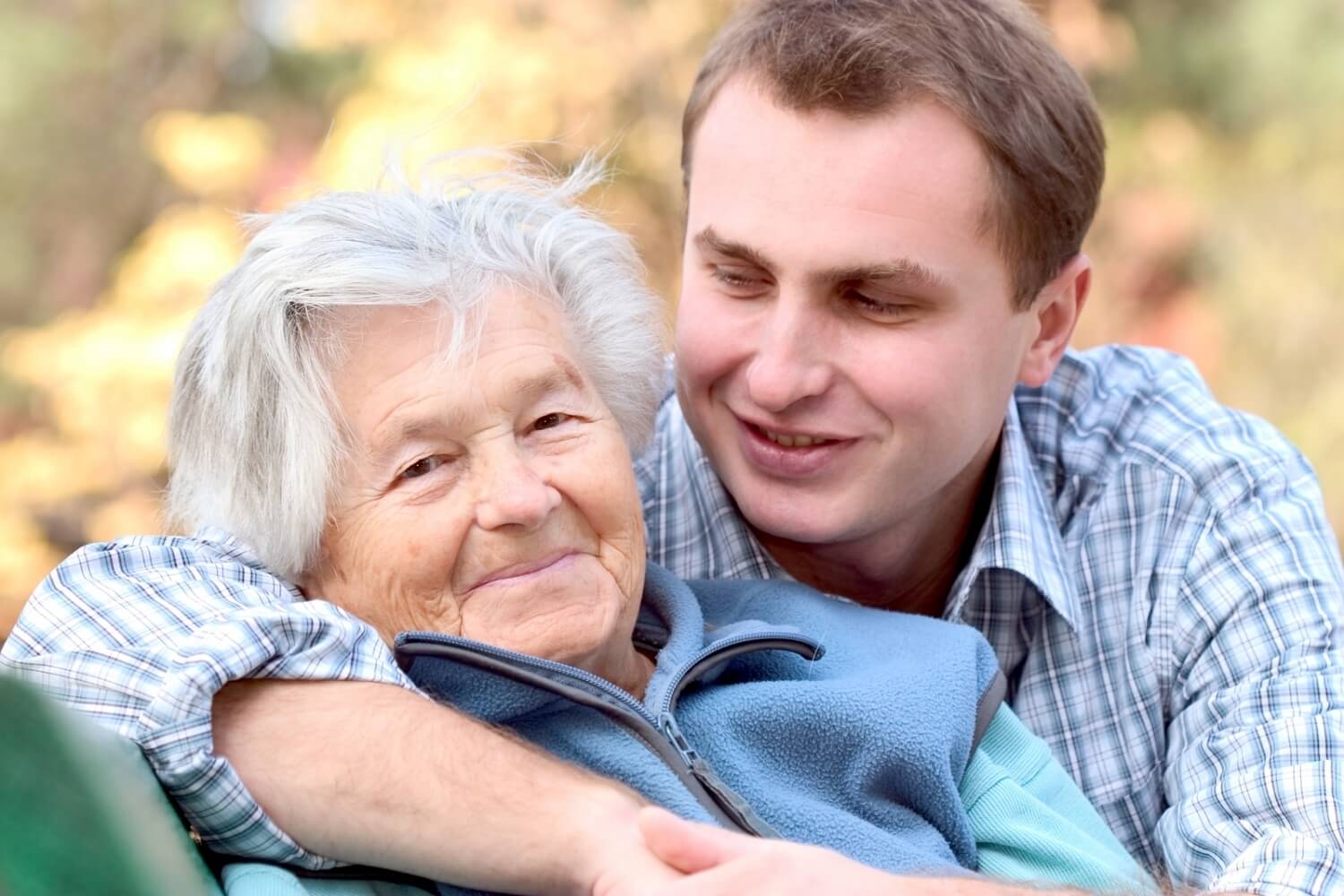
As your parents age, it’s important to recognize whether they are taking care of themselves, staying safe and being healthy. This is especially true if adult children live far away or in a different state or country. There are signs to look for and questions to ask your senior adult loved one whether you are visiting in person, talking on the phone or on a FaceTime chat with them.
Are your senior parents or loved ones taking care of themselves?
There may be a noticeable decline in grooming habits and personal care. Perhaps there are new, unexplained bruises or cuts or there has been significant weight loss. These can all point to a decline in being able to care for themselves.
Is a senior loved one experiencing any type of memory loss?
Everyone forgets things now and then, but unpaid bills, stacks of unopened mail, forgetting to take medications and missed appointments can all be signs of memory loss or potentially early dementia. Dementia is not a normal part of aging and needs to be diagnosed properly by a doctor.
Is the home environment safe for your senior loved one?
Things such as loose handrails, items scattered on the floor, lights that need replacing and difficulty with balance or mobility are all potential hazards in the home. Falls prevention in the home is a very important area to look out for and ask questions about. There is a great self-guided falls prevention quiz from Age Well Vermont here: https://www.agewellvt.org/information/check-your-risk-for-falling/
Are your senior parents safe to drive?
Recent accidents and unexplained dents or scratches in their vehicle may be an indication that they are having trouble driving themselves. Vision or hearing changes can affect the ability to drive as well if those senses decline. Reaction times can also diminish which can make driving dangerous, especially at night or in poor weather conditions.
Are your parents in good spirits when it comes to their mental health?
Changes in mood or dramatic mood swings can be a sign that something is off with your senior parents mental wellbeing. Withdrawing from social contacts and events or social isolation can also be signs that you may need to talk to your loved one. Think back to when your senior loved one was younger. Were they active and social or were they more introverted and reserved and what were their interests?
It’s important to talk to senior parents, ask questions and be observant when you see them. If any of the above points resonate, there are actions that you can take such as setting up a home safety inspection or looking at home health services. The services abound and some are either low cost or covered by Medicare, Medicaid or insurance. Your local area on aging is another great resource and many have help lines that you can call and talk to a staff member. Talking to a certified senior care advisor can also be a resource as they typically know what services and options are available in the area.
If you or a loved one need guidance or assistance reach out to CarePatrol today.