
Understanding the GUIDE Model for Vermont Dementia Care
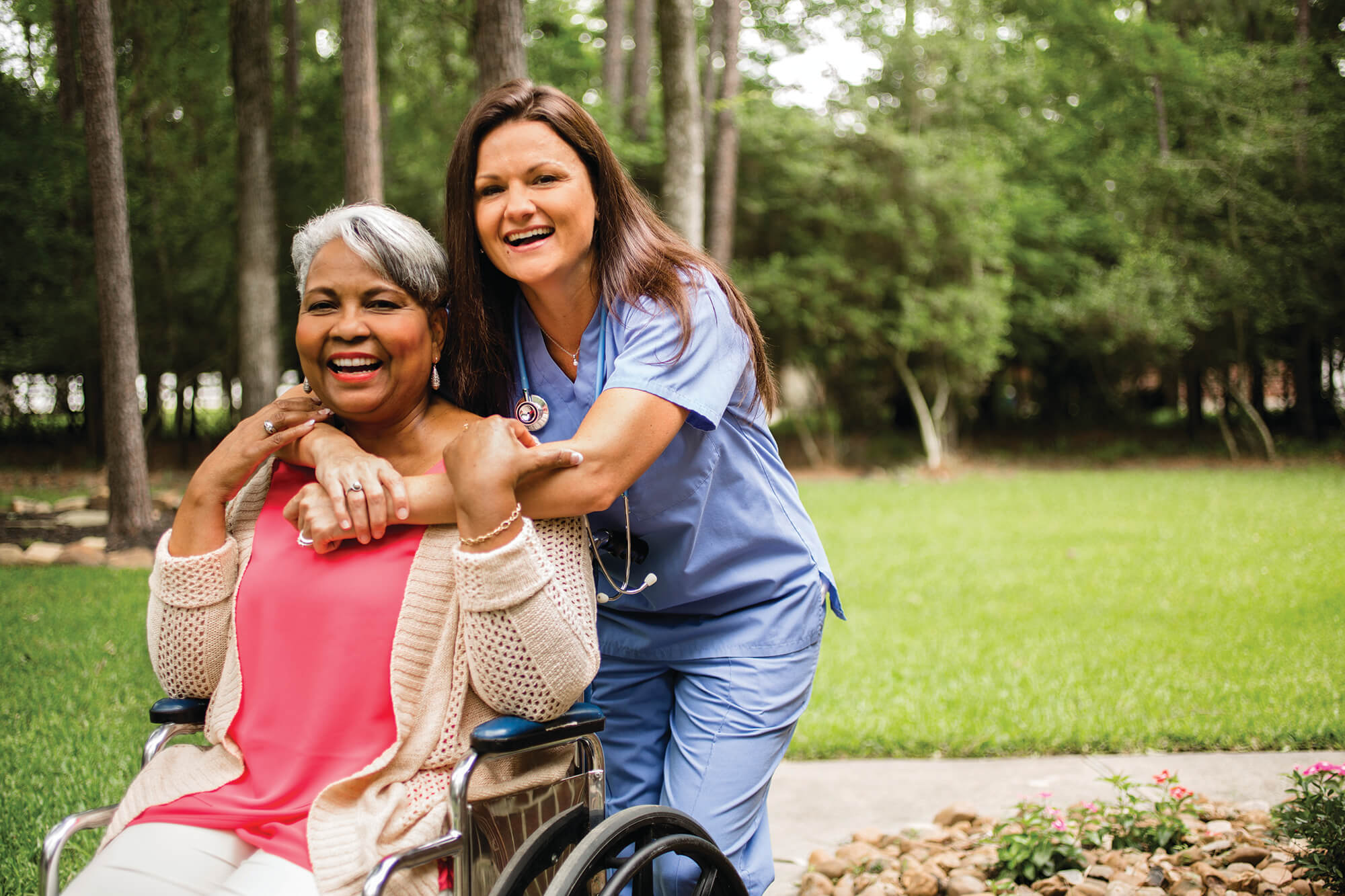
Understanding the GUIDE Model’s benefits to Vermont families and their senior loved ones living with dementia.
For the 13,000-plus Vermonters aged 65 and older living with a diagnosis of Alzheimer’s disease or a related dementia, and the approximately 30,000 family members and friends who care for them, the journey can feel isolating and overwhelming. Vermont’s close-knit communities, while beautiful, can present unique challenges in accessing consistent, comprehensive, and coordinated dementia care.
The good news is that a major, nationwide initiative, the Guiding an Improved Dementia Experience (GUIDE) Model, has arrived to address these very challenges. Launched by the Centers for Medicare & Medicaid Services (CMS) in July 2024, the GUIDE Model is an eight-year voluntary program testing a new, holistic approach to dementia care. It’s designed to transform the experience for both people living with dementia and their unpaid caregivers, allowing more Vermonters to remain safe, independent, and comfortable in their own homes and communities for longer. Care providers in Vermont will need to register as a GUIDE model provider in Vermont and have staff trained in order to participate.
This post will explore what the GUIDE Model is, what it offers, and how it can be a beacon of support for Vermont families navigating the complexities of dementia care. There are more resources available on the CMS Website along with this FAQ: https://www.cms.gov/priorities/innovation/guide/faqs
💡 What is the GUIDE Model? A Shift in Dementia Care
The GUIDE Model is fundamentally a new way of delivering and paying for dementia care, prioritizing a coordinated, team-based approach that addresses not just the patient’s medical needs, but their social and emotional needs as well as the needs of their caregivers.
Historically, dementia care has been fragmented. A patient might see a primary care physician, a neurologist, and perhaps a social worker, but these providers often work in silos, leaving the family caregiver to be the sole, overwhelmed coordinator of all services.
The GUIDE Model replaces this fragmentation with a Dementia Care Team led by a dedicated Care Navigator. This team and this model are built around a central, unifying goal: to improve the quality of life for people with dementia and reduce the immense stress and burnout experienced by their caregivers. By providing better support and coordination, the program aims to prevent or delay costly and often unwanted interventions, such as emergency department visits, hospitalizations, and premature nursing home placement. More about caregiver burnout in this article: https://carepatrol.com/blog/tips-to-avoid-caregiver-burnout/
👩⚕️ The Core Components of GUIDE Care
The comprehensive package of care provided through the GUIDE Model is delivered by participating healthcare organizations, known as GUIDE Participants, and is generally covered by Medicare for eligible individuals. The program’s strength lies in its blend of clinical expertise and essential non-clinical support.
1. The Dementia Care Navigator: Your Personal Guide
This is arguably the most crucial component. The Care Navigator is the family’s primary point of contact—their expert guide through the complex healthcare and social services landscape. They are responsible for:
-
Comprehensive Assessment and Care Planning: Conducting thorough evaluations, including cognitive testing, screening for health-related social needs, and a home safety assessment (often virtually or in-person). They then work with the interdisciplinary team and the family to create a personalized, patient-centered care plan.
-
Care Coordination: Ensuring seamless communication between all healthcare providers (primary care, specialists, etc.) and connecting the family to vital community-based resources in Vermont, such as home-delivered meals, transportation, and local support groups.
-
Ongoing Monitoring: Regularly checking in with the patient and caregiver(s) (the minimum frequency varies based on the patient’s and caregiver’s complexity level) to adjust the care plan as the disease progresses and new needs arise.
2. 24/7 Access to Support
Dementia doesn’t adhere to business hours. Crisis situations or urgent questions can arise at any time, leading to anxiety and unnecessary emergency room visits. The GUIDE Model requires that participants provide 24/7 access to a care team member via a dedicated support line. This immediate, expert guidance offers peace of mind and can help de-escalate crises from the comfort of the Vermont home.
3. Caregiver Education and Support
The caregiver is often called the “invisible patient” because their health and well-being are so frequently sacrificed to the demands of caregiving. The GUIDE Model offers robust, evidence-based support, including:
-
Training and Education: Providing personalized instruction on managing challenging dementia behaviors, improving communication, and developing essential caregiving skills.
-
Emotional Support: Connecting caregivers with support groups, counseling, and resources like the Alzheimer’s Association’s 24/7 Helpline.
4. Respite Services and Financial Relief
Caregiver burnout is a major driver of early institutionalization. The GUIDE Model directly addresses this by offering an annual financial benefit—up to approximately $2,500 per year—to offset the cost of respite care. This funding is a game-changer, allowing caregivers a much-needed, temporary break to tend to their own physical and mental health. The funds can be used for services like:
-
In-home care
-
Adult day centers
-
Facility-based respite care
Note: Respite funding is generally available for beneficiaries with moderate to high-complexity dementia who have an unpaid caregiver.
🌲 The GUIDE Model in the Vermont Context
For families in Vermont, the GUIDE Model holds particular significance, aligning perfectly with the state’s demographic realities and dedication to community support.
Navigating Rural Healthcare
Vermont’s dispersed population means that specialized dementia care can often require long drives and long waits to see doctors, which is a significant burden for both the person with dementia and their caregiver. The GUIDE Model’s emphasis on a Care Navigator and the use of telehealth and virtual visits helps bridge these geographic gaps. A Vermont family in a remote town now has a single, reliable point of contact who can coordinate specialists and local services without requiring constant travel across the state.
Leveraging Existing Vermont Resources
Vermont already has a strong network of services dedicated to seniors and caregivers, including:
-
Vermont’s Area Agencies on Aging (AAA): These regional agencies offer various resources, including dementia respite grants and adult day programs. The GUIDE Care Navigator can work directly with the AAAs to seamlessly connect families with these existing state and local supports.
-
The Alzheimer’s Association, Vermont Chapter: This chapter is a key provider of education, support groups, and the 24/7 Helpline. GUIDE Participants often partner with the Alzheimer’s Association to ensure comprehensive caregiver training and support. https://www.alz.org/vermont
-
The Dementia Family Caregiver Center at UVM Health: Centers like this provide specialized consultations and evidence-based therapeutic group programs (like VT CARERS and TEACH) for family caregivers.
- Alice Peck Day Memorial Hospital, 10 Alice Peck Day Drive, Lebanon, NH, , (603) 448-3122, GUIDE participant for New Hampshire and Vermont.
By integrating with and streamlining access to these established Vermont-specific resources, the GUIDE Model ensures that families are getting the maximum benefit from their local community support infrastructure.
The Focus on Remaining Home
Vermonters have a deep desire to age in place, staying in their homes and communities as long as possible—a goal often complicated by a dementia diagnosis. The entire framework of the GUIDE Model is designed to support this desire. By providing robust, proactive care management, regular safety assessments, and critical respite for caregivers, the program empowers families to manage the disease at home, improving both quality of life and dignity.
✅ Who is Eligible for the GUIDE Program?
If you are a Vermonter caring for a senior loved one with dementia, it’s important to know the general eligibility criteria. The GUIDE Model is a voluntary Medicare program.
Patient Eligibility
To qualify for the GUIDE program, an individual must generally:
-
Have a clinician-confirmed diagnosis of Alzheimer’s disease or another dementia.
-
Be enrolled in Original Medicare Parts A and B (Medicare must be their primary insurance).
-
Not be currently enrolled in hospice care.
-
Not reside in a long-term nursing facility.
How to Access GUIDE in Vermont
The GUIDE Model is provided by CMS-approved healthcare organizations—the GUIDE Participants—who choose to enroll in the program.
To find out if this service is available in your area of Vermont, the best steps are:
-
Ask your loved one’s current primary care provider or neurologist if their practice is a participating organization in the CMS GUIDE Model.
-
Contact your local Area Agency on Aging or the Vermont Chapter of the Alzheimer’s Association for information on local GUIDE providers or to learn about similar dementia care navigation services that meet the GUIDE requirements.
There are typically no extra fees for eligible participants in the GUIDE Program; the comprehensive care management services and caregiver supports are covered by Medicare.
🌟 A Brighter Future for Dementia Care
The GUIDE Model is more than just a healthcare program; it represents a fundamental recognition of the challenges faced by families caring for loved ones with dementia. For Vermont families, it offers a potential pathway out of isolation and into a coordinated system of support, allowing for greater peace of mind and a higher quality of life for all involved. By proactively managing care, supporting caregivers, and leveraging existing community resources, the GUIDE Model promises to be a powerful and much-needed guiding light across the Green Mountain State as the program evolves.