
Living with Parkinson’s Disease
By: Ashley Lorch, PT, MSPT
Care Transition Advocate, Rochester
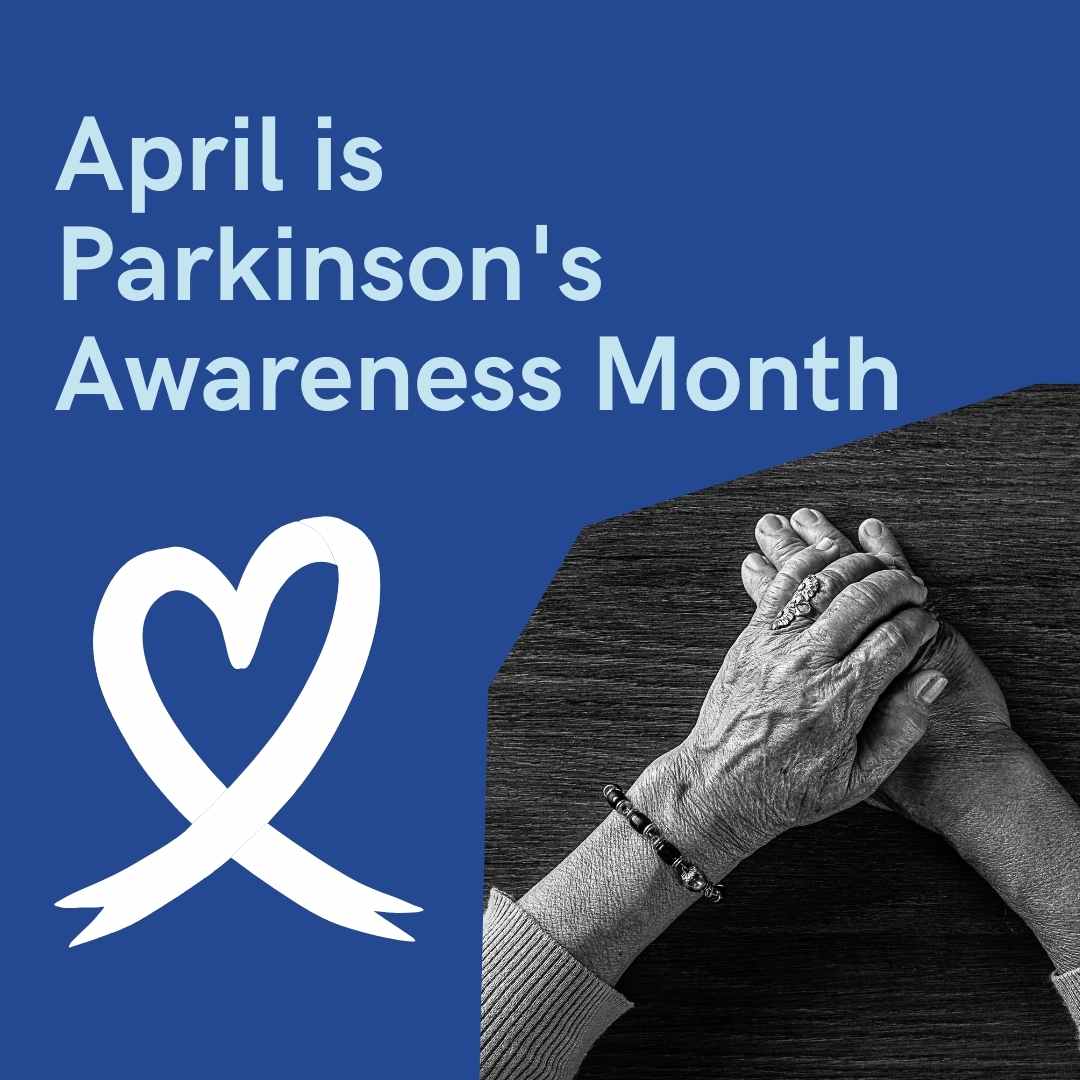
Each year in the United States, around 90,000 people are diagnosed with Parkinson’s disease. Parkinson’s disease occurs when brain cells that make dopamine, a chemical that coordinates movement, stop working or die. The way Parkinson’s affects each person is unique; however, symptoms often include changes in movement, speech, mood, and cognition. Due to the chronic and progressive nature of the disease, planning for the future and identifying when it’s time for a change to support a person’s evolving care needs is essential. There are many options along the senior living continuum that can help preserve an individual’s quality of life, as well as provide peace of mind for both the person living with the condition and their family.
Hired Caregivers: Personalized Support at Home
Many people with Parkinson’s find themselves taking longer to complete daily activities than they used to due to a common symptom of Parkinson’s called bradykinesia. Bradykinesia means slowness of movement. This can affect many things throughout one’s day and make even the most routine of activities frustrating and exhausting for people living with Parkinson’s. It can be tremendously helpful to hire an in-home caregiver to assist with things like meal preparation, light housekeeping, and even activities of daily living, like taking a shower. Additionally, caregivers offer companionship, which is important for emotional well-being, and give respite to family members who may be providing care themselves.
Independent Living: Maintaining Autonomy with Support
As the movement symptoms of Parkinson’s progress, many people begin to experience difficulty walking, climbing stairs, and moving around in tight spaces, such as within a bathroom. Living in a home with rooms on different levels can become a struggle. Independent living communities offer a more physically accessible, social atmosphere. Socialization is especially important for people living with Parkinson’s, as isolation has been shown to worsen symptoms. With robust activity calendars, group outings, and on-site exercise classes, individuals are able to continue to remain physically and emotionally strong. Independent living communities also provide access to services including housekeeping, dining, and transportation, allowing the focus to be on health and enjoyment rather than coordinating the logistics of daily life, not to mention the challenges of maintaining a private home.
Assisted Living: Increased Assistance as Symptoms Progress
Around 90% of people with Parkinson’s are on medication containing levodopa, which reduces some symptoms, such as body stiffness and tremors. These medications must be taken at specific times of day. Assisted living communities provide assistance with medication management to ensure prescribed medications are taken at the right time. People with Parkinson’s may develop difficulty with balance and have an increased risk for falls; they may need to use an assistive device, such as a cane or walker, and they may also struggle with activities of daily living such as bathing, grooming, and getting dressed. Assisted living communities are able to provide supervision and assistance with these tasks, thereby increasing a person’s hygiene, safety, and ability to conserve their energy to enjoy the rest of the day. With all 3 meals included at assisted living communities and a social calendar tailored to resident’s interests, they can be a wonderful fit to help a person stay as active as possible with the opportunity to benefit from increased assistance as needed.
Memory Care: Specialized Care for Cognitive Decline
It’s important to understand that not everyone with Parkinson’s disease will experience changes in their thinking and memory. Some individuals will develop only mild cognitive impairment, in which there are some small changes in attention and higher level thinking skills that are not enough to interfere with a person’s daily activities. Parkinson’s disease dementia (PDD) is more serious and does affect daily activities. PDD usually occurs after a person has had the disease for many years. Symptoms such as hallucinations, delusions, and getting lost in familiar locations can often be best managed in a Memory Care setting. These environments offer closer monitoring by specially trained staff. Activities and communication are modified to promote participation, purpose, and empathy. The environment is also especially designed in a way that promotes familiarity and keeps residents safe in a secure environment.
No one should have to face the challenges of a Parkinson’s Disease diagnosis alone. Building a trusted, interdisciplinary care team is essential, and CarePatrol’s compassionate professionals are here to provide support, education, and guidance in determining the level of care that’s right for you.