
Symptoms to Look for After a Fall in the Elderly
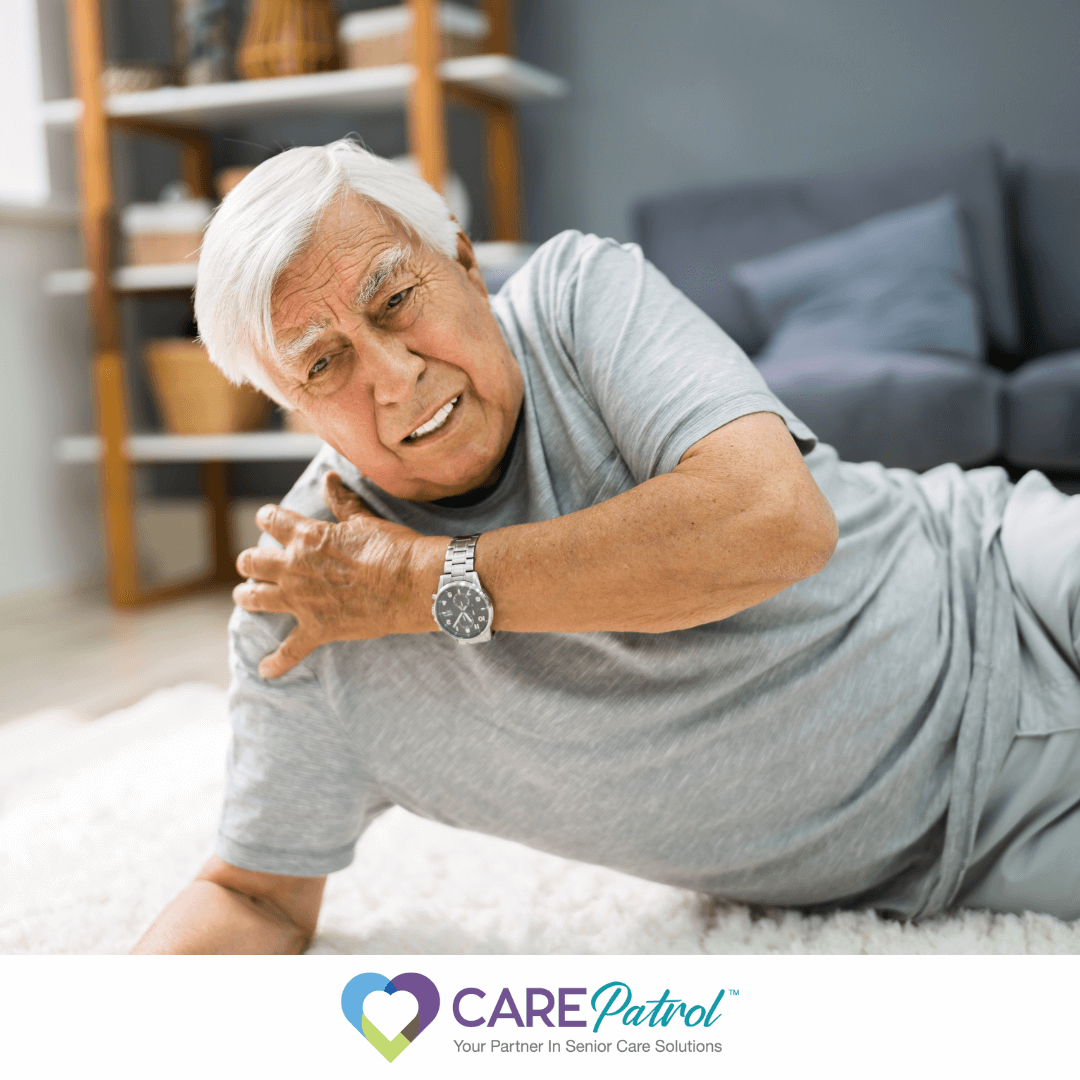
Fall accidents are one of the most common causes of injuries in older adults. Many conditions, such as poor eyesight, decreased reflexes, diabetes, heart disease, various nerve problems, and more, cause increased susceptibility to slip and fall accidents. According to the Centers for Disease Control and Prevention (CDC), millions of seniors experience a fall accident each year. You might not notice symptoms of serious injury right away, making it important to know what to look for after a fall accident. What looks like a minor injury can actually be a sign of something more serious.
A fall accident may also be a sign that your loved one’s living environment is no longer safe for them, whether that be because of stairs, tripping hazards, and slippery floors, or because they live alone and have no one to help in case of a fall.
An older adult who has fallen once is at a higher risk of falling again. At CarePatrol, we specialize in helping families find safe senior care options that support your loved one’s well-being.
This guide will walk you through the warning signs, potential underlying injuries, and next steps for fall prevention.
Why Falls Are Dangerous for Older Adults
Consequences of an older adult falling are often more severe than those of younger people. Factors like muscle weakness, vision problems, and low blood pressure can not only increase the chance of falling but also worsen the injuries sustained in a fall. Certain medicines may affect balance, slow recovery, or mask pain signals.
Even if your elderly loved one appears to have suffered only minor injuries, it’s recommended to seek medical attention. Falls can result in internal injuries, broken blood vessels, or spinal cord injuries that are not always obvious right away.
Immediate Symptoms to Look for After a Fall
Families should be aware of what symptoms to look for after a fall that might signify a significant injury. Here are some key warning signs:
1. Severe Pain and Limited Mobility
If the elderly person is experiencing severe pain in places such as the hip or wrist, or any sharp pain, this may indicate hip fractures, wrist injuries, or other broken bones. These types of injuries all require medical treatment and sometimes surgery.
2. Head and Brain Injury
Head injuries are one of the most dangerous outcomes of a fall. Watch for traumatic brain injuries, often indicated by confusion, dizziness, nausea, or loss of consciousness during or after the fall. A brain injury may not show obvious symptoms right away, but it can worsen quickly. If your loved one exhibits any of these signs, seek medical attention promptly.
3. Internal Bleeding or Internal Injuries
Symptoms like stomach pain, bruising, faintness, or low blood pressure may indicate internal bleeding. These underlying injuries are not immediately visible but can be fatal if ignored. Keep an eye on your loved one after a fall to monitor for symptoms of these internal injuries, and seek medical attention immediately if any of these symptoms appear.
4. Spinal Injuries
Falls can cause spinal injuries or soft tissue damage. If the person complains of tingling, numbness, or loss of movement, seek medical treatment immediately. Back and neck pain could also be an indicator of a spine injury. A professional medical evaluation can rule out spinal cord injuries.
5. Chronic Pain and Ongoing Symptoms
Even if the initial accident seems minor, ongoing pain or soft tissue injuries can develop into chronic pain. A healthcare professional may recommend physical therapy or other treatments to prevent future falls.
Common Injuries Resulting from Falls
While not all falls result in severe injuries, it’s essential to be aware of the common injuries older adults may suffer. Medical treatment may be necessary, even if your loved one has only suffered minor injuries. Regardless, it’s good to keep these common injuries in mind after an elderly fall:
- Hip fractures: One of the most frequent fall injuries among older adults, and can be very difficult to recover from.
- Wrist injuries: Attempting to break your fall can lead to sprained or broken wrists.
- Head injuries: Including concussions and more serious traumatic brain injuries.
- Spinal cord injuries: Damage to the back or neck that may cause paralysis or mobility issues.
- Soft tissue injuries: Bruises, sprains, or strains that can cause long-term pain.
Even minor injuries can lead to further complications without proper medical assistance. It’s always a good idea to seek medical treatment after a fall in older adults.
When to Seek Medical Attention After a Fall
When should you seek medical attention after an elderly loved one falls? Always.
Even if the older adult appears fine, immediate medical attention ensures that underlying injuries are detected early and treated before they worsen or cause unnecessary ongoing issues. You should especially seek medical attention immediately if the person experiences:
- Loss of consciousness
- Difficulty breathing
- Severe or sharp pain
- Inability to move limbs
- Signs of internal bleeding (bruising, dizziness, abdominal pain)
- Confusion, slurred speech, or vision problems
An evaluation by a medical professional can save lives and reduce long-term medical expenses from untreated conditions.
Preventing Future Falls
One fall injury increases a person’s risk of future falls, but there are steps families can take for fall prevention. These steps can improve your loved one’s balance and physical health, make their environment safer, and reduce other risks of falling.
Home Safety Adjustments
Remove loose rugs, install grab bars in bathrooms, enhance lighting, and consider using walking aids.
Encourage Exercise
Regular strength and balance exercises, often guided by a physical therapist, can reduce muscle weakness and help prevent many falls.
Medication Review
Certain medicines can increase dizziness or affect balance. A medical professional can review prescriptions to reduce fall risk if you’re concerned your loved one is experiencing these side effects.
Vision and Hearing Care
Regular checkups for vision problems or hearing loss are essential in reducing the risk of falling.
Personal Emergency Response System
Consider investing in a personal emergency response system so your elderly loved one can call for medical assistance immediately if another fall occurs.
How CarePatrol Helps After an Elderly Fall
At CarePatrol, we understand the emotional and physical toll it can take when an elderly person falls. Families are often overwhelmed by both the medical expenses and decisions that might arise about long-term care after a fall. That’s why we provide expert guidance to help match your loved one with safe, reputable care communities that can support recovery after a fall and reduce future fall risk.
Whether your loved one needs rehabilitation, physical therapy, or specialized care for serious injuries, CarePatrol advisors walk with you every step of the way. Our mission is to ensure your loved one receives the care, support, and environment they need to prevent future falls and live safely.
Protecting Your Loved One After a Fall
An elderly fall can happen suddenly and have devastating consequences. Knowing the symptoms to look for after a fall in the elderly, from head injuries to hip fractures, can help families act quickly and seek medical attention promptly. By combining medical intervention, fall prevention strategies, and the proper senior living support, you can help your loved one avoid more serious injuries in the future.
If your elderly loved one has recently fallen or you’re worried about their risk of falling, CarePatrol is here to help. Our compassionate team will guide you in finding a safe, supportive senior care option that prioritizes health, dignity, and fall prevention.
Contact CarePatrol today to schedule a free consultation and take the first step in protecting your loved one’s future.