
Staying Safe: Protecting Seniors from COVID-19 Scams
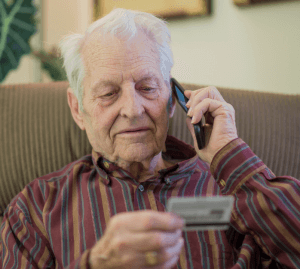
While the COVID-19 pandemic is largely under control, the virus is still out there and continues to spread, especially during flu season. COVID-19 scams targeting seniors are becoming more common. Fraudsters are taking advantage of older adults through fake stimulus payments, bogus contact tracing calls, and fraudulent medical offers. Since seniors are often targeted due to their financial security and trust in authority, it’s important to educate them on these evolving scams. By understanding the risks and staying informed, families can help protect their loved ones from falling victim to fraud. Let’s explore the most common COVID-19 scams targeting seniors and how to prevent them.
It remains extremely important for older adults (65+) and those with underlying conditions, (heart failure, coronary artery disease, cardiomyopathies, cancer, chronic kidney disease, COPD, obesity, sickle cell disease and type 2 diabetes) to take precautions:
- Wash hands often and for at least 20 seconds.
- Limit interactions with other people as much as possible.
- Stay 6 feet away from others.
- Wear a mask.
- Clean and disinfect frequently touched surfaces daily.
Unfortunately, that’s not all older adults and their families have to worry about.
Who Is At-Risk for Being Scammed
According to the Federal Trade Commission, those reporting the highest monetary losses in 2018 were in their 60s (20%). Those in their 70s made up 13%, and those in their 80s made up 6%. This could be because older adults tend to control the wealth of the country and/or may have age-related cognitive decline.
Consumer complaints relating to COVID-19 and stimulus payments have been popping up across the nation, which means older adults and their families have to be hyper-aware of the potential scams that may come their way.
Types of Scams
There have been a variety of methods by which scammers have tried to hook people during this pandemic. Here are a few examples:
- Cures, testing and “special offers”: Scammers add links in text messages to install malicious code on phones or launch webpages to collect personal, health insurance or financial information for use in other scams. Sometimes, these text messages offer cures, warn the phone owner that they need a COVID-19 test or present “special offers,” such as a free month of Netflix.
- Stimulus payments: Scammers might ask for a fee to get your stimulus payment, or they might try to convince you to give them a social security number, bank account or government benefits debit card account number.
- Contact tracers: Contact tracers are people who work for state health departments and try to track anyone who may have been exposed to COVID-19. A contact tracer might contact people via telephone, email or text, or they may visit to collect information. They may reveal results of a test that you know you took, or they may reach out to you because someone you’ve been in contact with tested positive. They may ask you for your name and address, health information and the names of places and people you have visited. Instead, scammers may ask for money, a social security number or immigration status.
- Supplies: Other scammers claim to be selling or offering in-demand supplies such as surgical masks, test kits and household cleaners, often in robocalls, texts or social media ads. Make sure you know who you are buying from.
Staying vigilant against COVID-19 scams targeting seniors is essential to protecting older adults from financial fraud and identity theft. Make sure your loved one knows the difference between a scam and legitimate information by sharing the breakdown above and by keeping an open dialogue about the emails, calls or texts they are receiving. For more information about scams, visit the Federal Communications Commission.
Even after CarePatrol has assisted you and your family in finding a safer living option, for an older adult loved one, whether it be assisted living or another senior care solution. You can always reach out to me at 866-560-5656.